

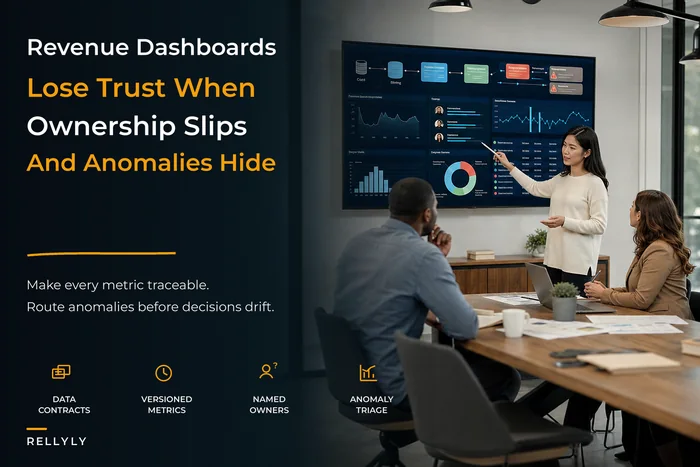
Revenue reporting operating model: trusted dashboards, ownership SLAs and automated anomaly triage
Authoritative dashboard model: versioning, owner SLAs, data contracts and automated anomaly triage with an executive reconciliation template.

Insights on customer engagement strategies, sales pipeline optimization, CRM best practices, automated communication, and proven tactics to build lasting client relationships.
Authoritative dashboard model: versioning, owner SLAs, data contracts and automated anomaly triage with an executive reconciliation template.
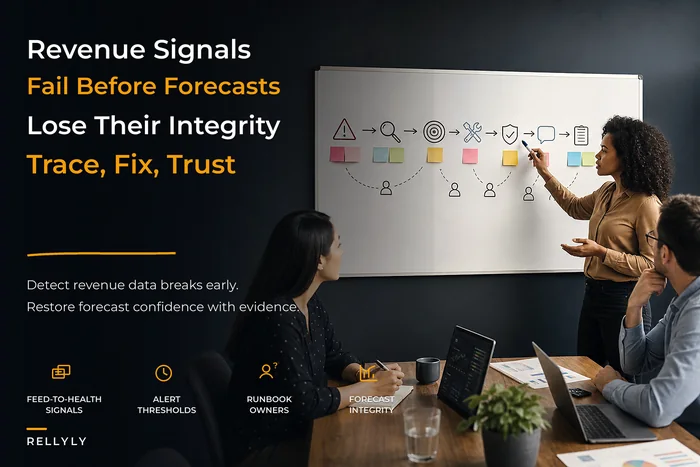
Revenue-focused observability: key signals to monitor (feed-to-healthscore, pipeline deltas), alert thresholds, ownership runbooks and recovery playbooks.

Design lifecycle gates with telemetry-backed enforcement, SLA definitions by segment and escalation rules when gates fail — operational templates for owner actions.
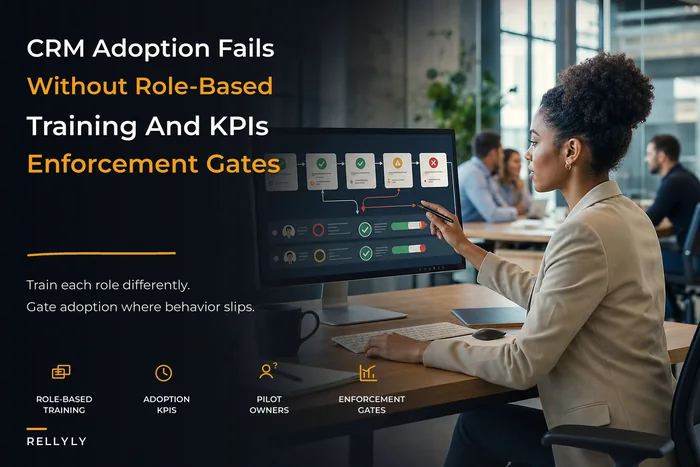
Role-based micro-training, incentive alignment, pilot criteria and enforcement gates tied to adoption KPIs and remediation paths.

Segmentation-driven tiering, automation suppression policies, templated outreach and escalation design to scale without burning customers.

Triage rules, templated context packets, SLA tiers and automation recipes that populate handoff packets to reduce MTTR and prevent repeat incidents.

Governance-first meeting rhythms with required pre-reads, confidence scoring, and a 13-week cutover plan to lock in new forecast rules.
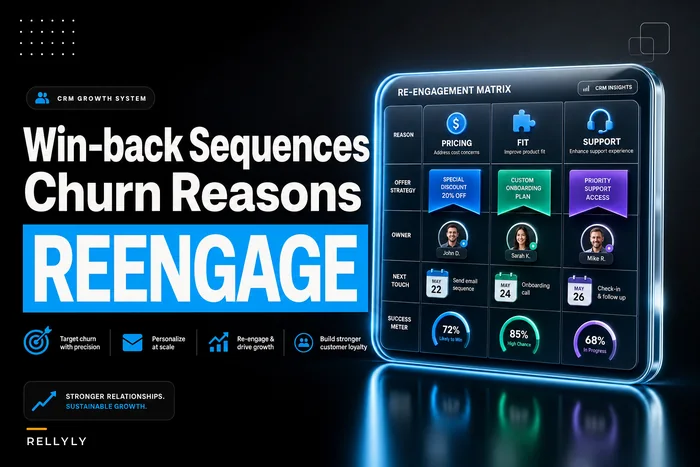
Matrix mapping churn reason → re-engagement offer, owner, timing, success criteria and ready-to-send templates for pricing, fit and support churn segments.
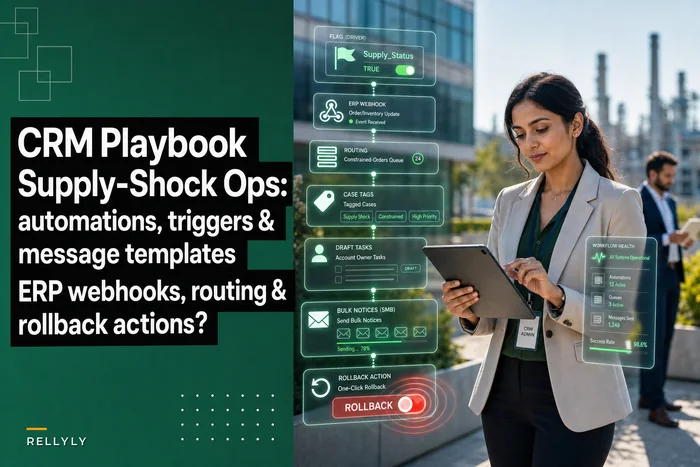
A practical, implementation‑focused guide for CRM admins and customer‑service leaders on configuring automations, triggers, message templates, integrations and dashboards to manage customer communications and case handling during manufacturing supply shocks. Includes concrete rule examples, template copy snippets, an integration checklist (ERP/inventory/webhooks), SLAs and KPIs, and a quick rollout/rollback checklist that ties to the parent event context without repeating macroeconomic analysis.